

Discover our Success Stories! From MW-scale electrolysers to hydrogen-powered ports, from hydrogen valleys to new marketable technologies, explore the innovations transforming Europe's hydrogen landscape. Read about all our success stories and see how hydrogen is shaping the future.
Discover more about our projects
Pages (39)
RSS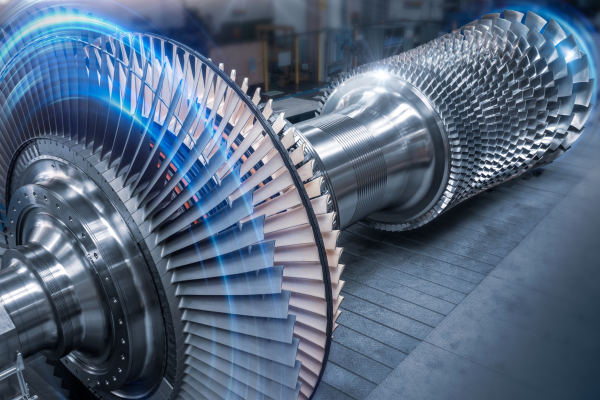
With support from the Clean Hydrogen Partnership, the FLEX4H2 and HELIOS projects are developing advanced combustor technologies that overcome key challenges such as flame stability, flashback and emissions control.
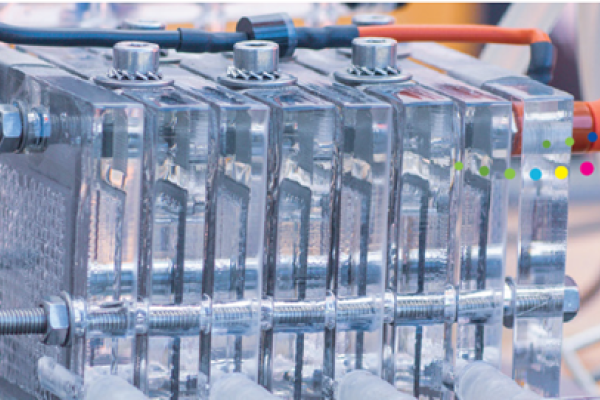
With support from the Clean Hydrogen Partnership, pioneering projects have helped European companies like ITM Power and Sunfire grow from lab-scale prototypes to world-leading industrial installations.
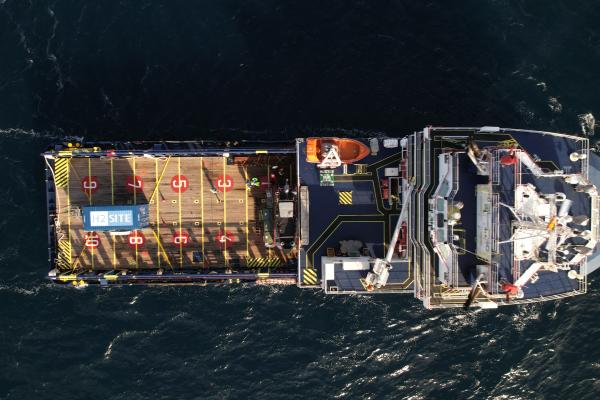
Supported by the Clean Hydrogen Partnership, H2SITE has turned more than a decade of EU-funded research into a commercial reality.
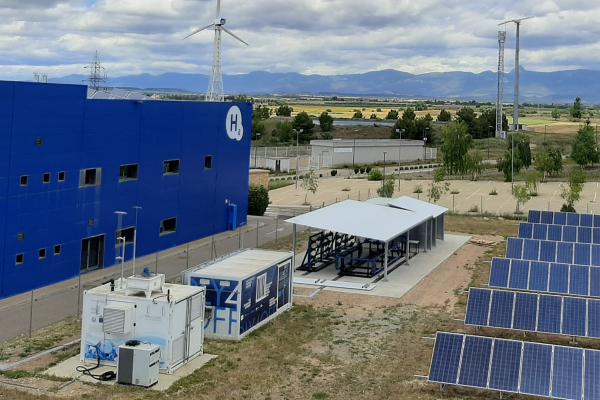
A pan-European hydrogen transmission network is key to meeting Europe’s energy transition goals. The Clean Hydrogen Partnership is funding projects that aim to help repurpose Europe’s gas grid to enable it to transport large quantities of hydrogen.
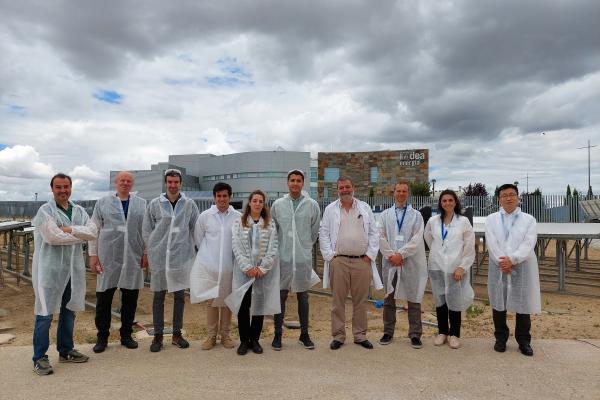
The Clean Hydrogen Partnership supports projects that develop tools like life cycle assessments, eco-design guidelines, recycling strategies and certification schemes for fuel cell and hydrogen technologies.
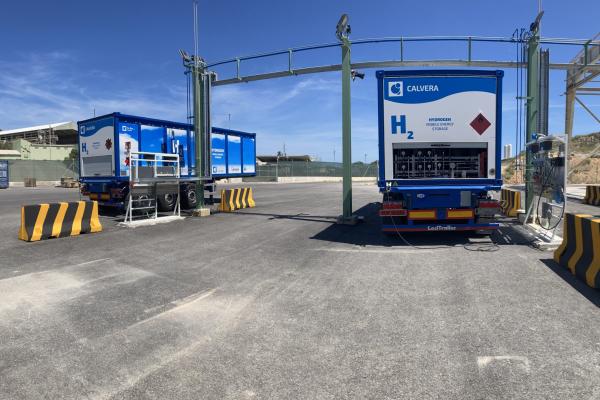
The Clean Hydrogen Partnership works with European regions to develop hydrogen economies. Its support includes the promotion and funding of hydrogen valleys, the establishment of a project development assistance facility and synergies with regional managing authorities.
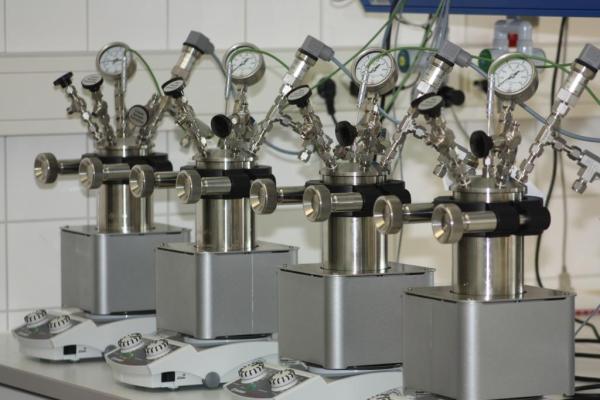
Hydrogen storage can contribute to energy security and help balance fluctuations in the supply of electricity produced by wind and sun.
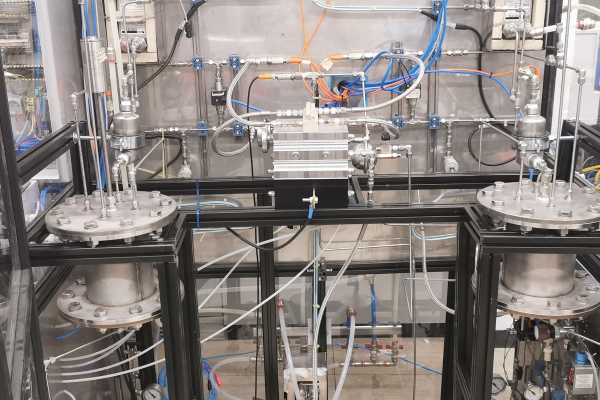
Three Clean Hydrogen Partnership-funded projects have increased knowledge related to development of anion exchange membrane electrolysers (AEMELs) for hydrogen production, testing 2-kilowatt power stacks.
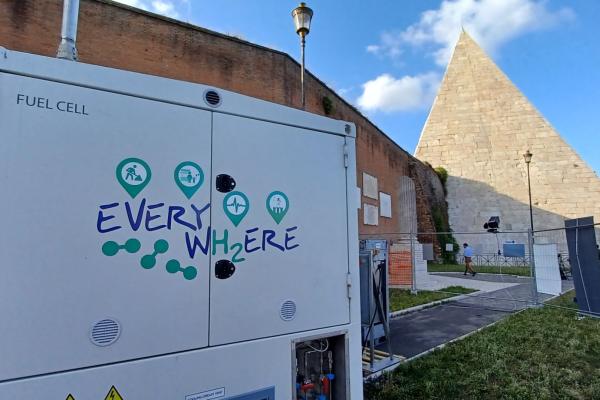
The EVERYWH2ERE project has integrated fuel cell stacks with lightweight, safe hydrogen technologies to provide a reliable, low-noise, low-emission power supply for use in environments such as construction sites, ports, and social and cultural events.
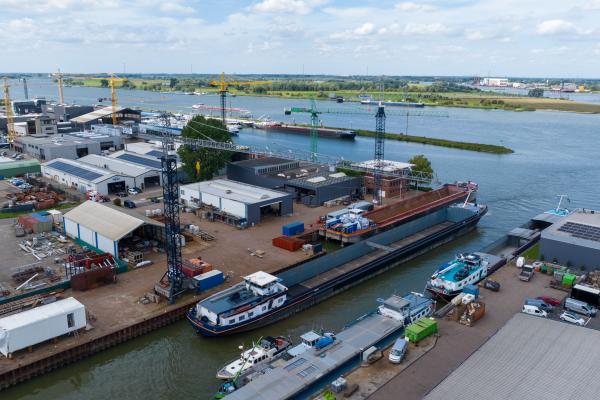
Switching freight from road transport to water results in significant emission reductions. Clean Hydrogen Partnership-funded projects are demonstrating how fuel cell technology can reduce inland waterway transport emissions even more.